The universe is an expansive and enigmatic entity that has fascinated humanity for millennia. As we delve deeper into the cosmos, we confront fundamental questions about its origins, behavior, and eventual fate.
The quest for extraterrestrial life has captivated humanity for millennia. As we evolve in our understanding of the cosmos, we increasingly focus on the search for life beyond our own planet. A major advancement in this pursuit is the recent launch of the James Webb Space Telescope (JWST), designed to study the atmospheres of exoplanets like never before.
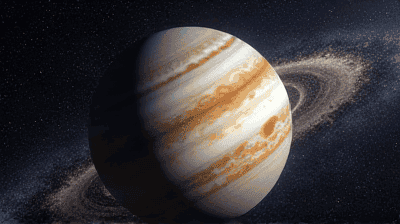
Jupiter, the largest planet in our solar system, has captivated astronomers and space enthusiasts alike for centuries. Its swirling clouds, massive storms, and iconic Great Red Spot present a breathtaking image of a gas giant that has fascinated researchers since the dawn of modern astronomy.
The universe is a vast and mysterious place, home to countless phenomena that challenge our understanding of physics, matter, and the origins of the elements we encounter every day. Among these phenomena are neutron stars, the remnants of massive stars that have undergone supernova explosions.
Black holes have long intrigued scientists and astronomy enthusiasts alike. These mysterious entities—particularly supermassive black holes located at the centers of galaxies—are not just fascinating cosmic objects; they play a crucial role in shaping the structures and dynamics of entire galaxies.