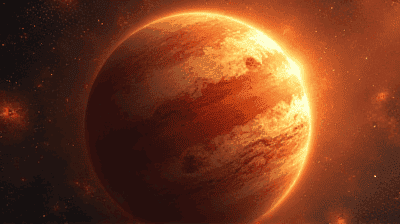
Venus, our closest planetary neighbor, has intrigued humankind for centuries. Often called Earth's twin due to its similar size, composition, and proximity, Venus presents a stark contrast to the world we inhabit.
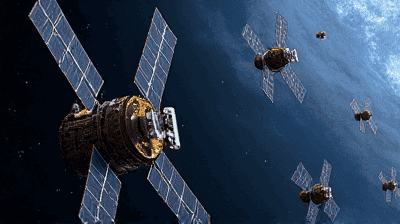
In recent years, the night sky has begun to look different than it ever has before. The proliferation of satellite swarms—groups of satellites operating together for various purposes—has profoundly transformed the field of astronomy and our understanding of the universe.
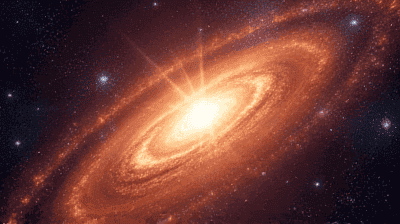
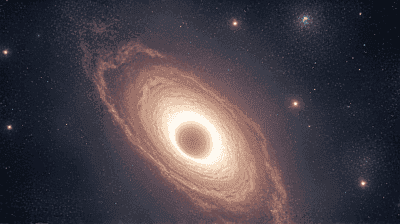
In the vast expanse of the universe, some celestial phenomena shine more brilliantly than others, capturing the attention of astronomers and the public alike. Among the most fascinating of these phenomena are quasars, the extraordinarily luminous cores of distant galaxies powered by supermassive black holes.
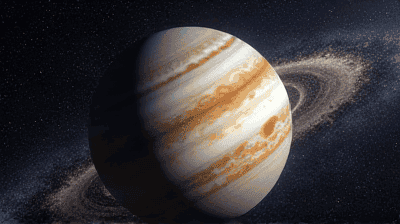
Jupiter, the largest planet in our solar system, has captivated astronomers and space enthusiasts alike for centuries. Its swirling clouds, massive storms, and iconic Great Red Spot present a breathtaking image of a gas giant that has fascinated researchers since the dawn of modern astronomy.
In the realm of theoretical physics and astronomy, the imagination often stretches into the unknown, leading to the development of concepts that challenge our understanding of the universe. Among these fascinating concepts is the idea of white holes, the hypothetical counterparts to black holes.